One of my friends, a former teacher and librarian, recently reminded me of what she described as a basic classroom management tenet: “Catch them doing something good.”
That instruction is compelling and always useful. And it is especially important amidst the chaos we are living through right now– politically, emotionally, psychologically, and practically.
Our Towns has been finding “something good” recently in Spearfish, South Dakota, where we talked with town residents and with students at Black Hills State University, known as “BH.” We heard about the statewide effort to prepare students to become “lifelong citizens,” with programs centered at BH’s new Center for Civic Engagement. And then over 400 miles east, at the University of South Dakota (USD) in Vermillion, we talked, listened, and learned about parallel programs based at USD’s Chiesman Center for Democracy.
A few weeks earlier, in late October, we were part of a conference in Jacksonville, Florida, organized by the innovative “10 Across” program, known as “10X,” from Arizona State University (ASU). The 10X initiative connects cities that lie along the I-10 Interstate highway, which runs from the Pacific oceanfront in Santa Monica, on its western end, to the waterways of Jacksonville on its eastern end.
The idea behind 10X is that this southern tier of the US is “the premier observatory for the [nation’s] future,” where every 21st century American challenge shows up in stark relief. Extreme weather; extremes of economic opportunity and outcome; the advantages and challenges that come with rapid growth, and from immigration; and much more.
10X in Jacksonville assembled a novel “convergence” of three groups that might not seem like natural partners: philanthropists; bureaucrats; actuaries. These were leaders of community foundations; “sustainability” and “resilience” officials from local governments, who pay attention to effects of climate change; and leaders of the insurance industry, whose entire business is being upended by the same climate changes of drought, floods, temperature swings, etc.
Something good definitely emerged from these meetings: Three very different groups recognized the many interests they had in common and engaged seriously on short- and long-term collaborations to protect their communities.
Back home in DC, looking for something good has been an antidote to the toxicity creeping into our everyday life here. In the past few months, we’ve been witnessing random ICE stops along popular and safe corners and streets where errands take us daily, and running into National Guard (some now armed in DC), who were clearing brush along the Potomac River’s popular and safe bike path.
With a positive spirit, we’ve been deliberately tracking creative citizen movements, both here in our beleaguered hometown and around the country. Some of these arose in response to questions we have increasingly heard from people in all corners of the country, “What can I do?” “How can I have some effect?”
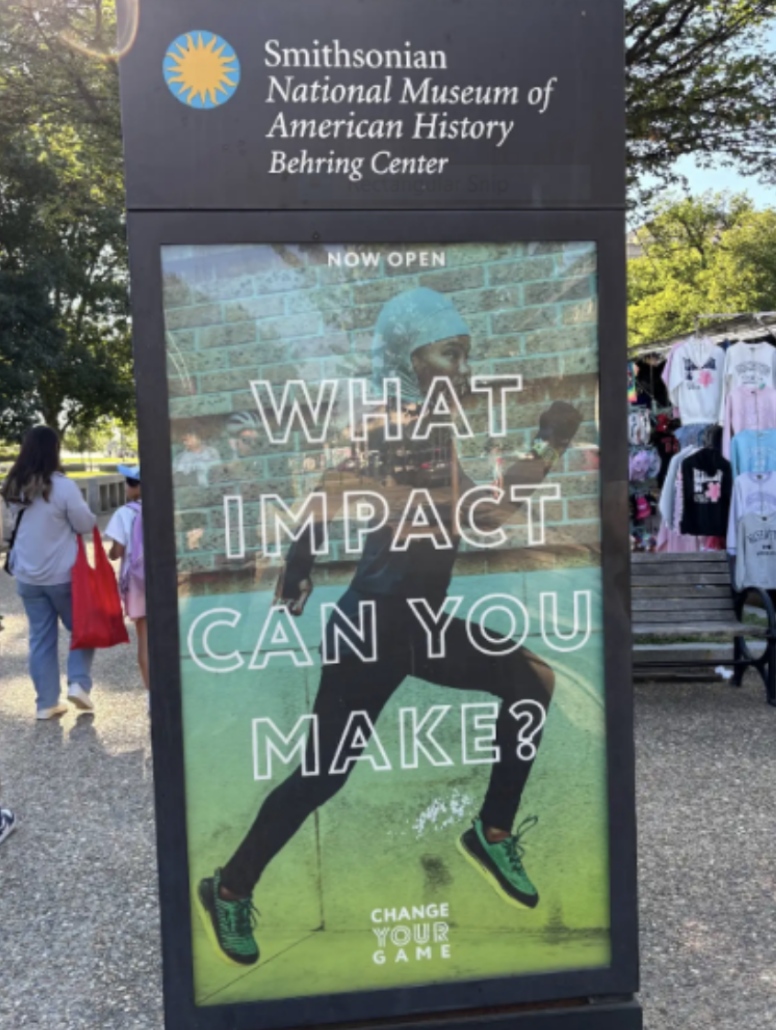
Citizens’ answers are in line with the guiding sentiment of universally-admired and Our Towns friend, the late Jane Goodall: Do what you can, where you are, when you are able.
We all know the most familiar response, the No Kings protests, happening at a person-by-person level outside the front doors and in the neighborhoods of anyone and everyone around the U.S.
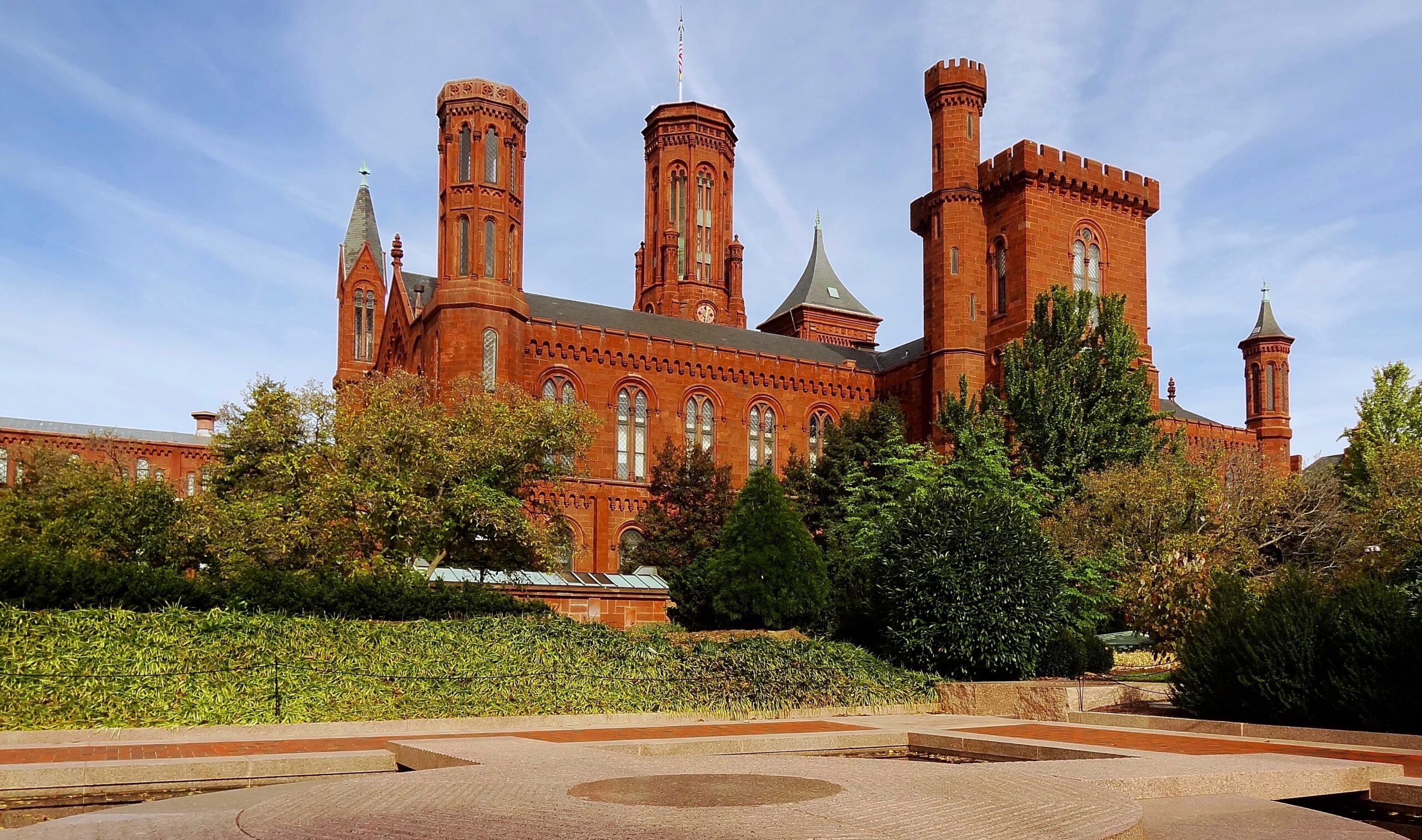
Less well known is this one from Washington DC, called Citizen Historians. The Citizen Historians project was founded in August of 2025, offsetting the Trump administration’s call for a review of all the contents of the Smithsonian Museums. Pointedly, the review was aimed at (among other things) “all wall didactics, placards and gallery labels currently on display” to ensure alignment with the administration’s definition of “the American story.”
The movement was the idea of two Georgetown professors of history, Jim Millward and Chandra Manning. The goal is simple but massive: to “document everything on display at the Smithsonian’s 21 museums, the national zoo, and the U.S. Holocaust Memorial museum.”
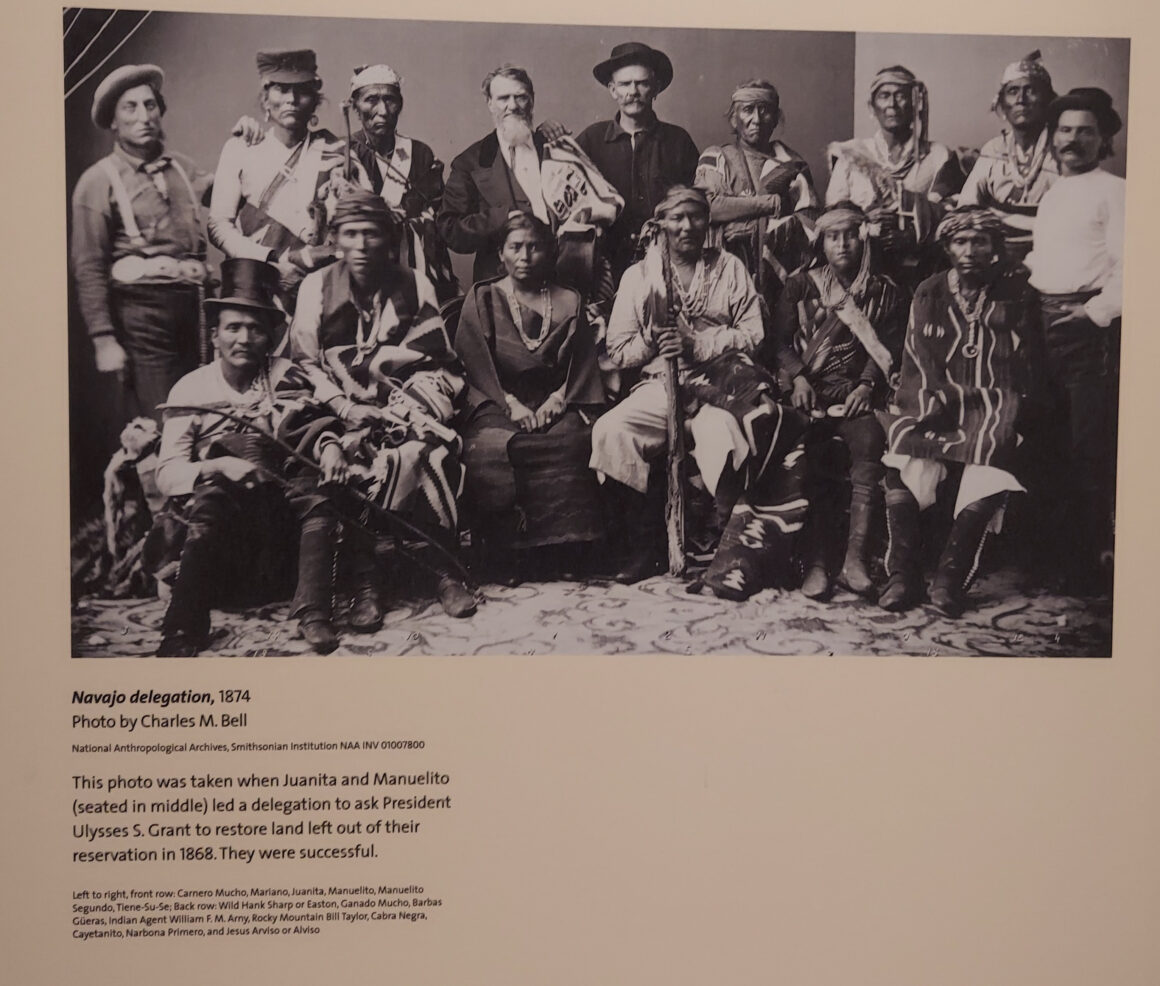
Over seven weeks, until the government shutdown closed doors and gates in October, some 1500 volunteers photographed and submitted nearly 50,000 images and videos of the exhibits. Here is a link to the immense trove amassed thus far. Another Georgetown University colleague, Jessica Dickinson Goodman, is building an infrastructure to eventually store all the current digital assets.
Since the Smithsonian properties have reopened after the seven-week federal shutdown, volunteers have been back at work, documenting the rest of the holdings.
DC’s Citizen Historians follows the model of the Save our Signs project, the citizen-powered response to Secretary of the Interior Doug Burgum’s ask of people to report on any National Park sign, display, or program that would “improperly minimize or disparage certain historical figures or events.” Save our Signs is, in turn, part of the national Data Rescue Project, a clearinghouse for rescued at-risk government data of all sorts.

As reported in Maine Public, at least 10 signs have been removed in Acadia National Park, signs referencing damage done to the parks by climate change, descriptions of historical roots of indigenous tribes to the park’s natural assets, and even suggestions for minimally-damaging tourist behavior, like sticking to pathways.
We have been following another citizen movement from The Land, an online journal in Cleveland, Ohio area. Part of The Land’s original mission is to increase civic engagement by enlisting and training local citizens to report and write about stories in their home communities. Stories that will resonate with readers, inform and even inspire them to take action to improve the well-being of their Communities.
So far, over 100 people have been trained and mentored by The Land’s professional journalists. The 12-week program covers story development, reporting and interviewing, writing, editing and fact-checking, and publishing, and offers a $300 dollar stipend.
One of our favorite stories from a recent citizen journalist graduate at The Land, Sharyn Arai, describes her experience at the Citizen Police Academy (CPA) in the nearby suburb of Lakewood.
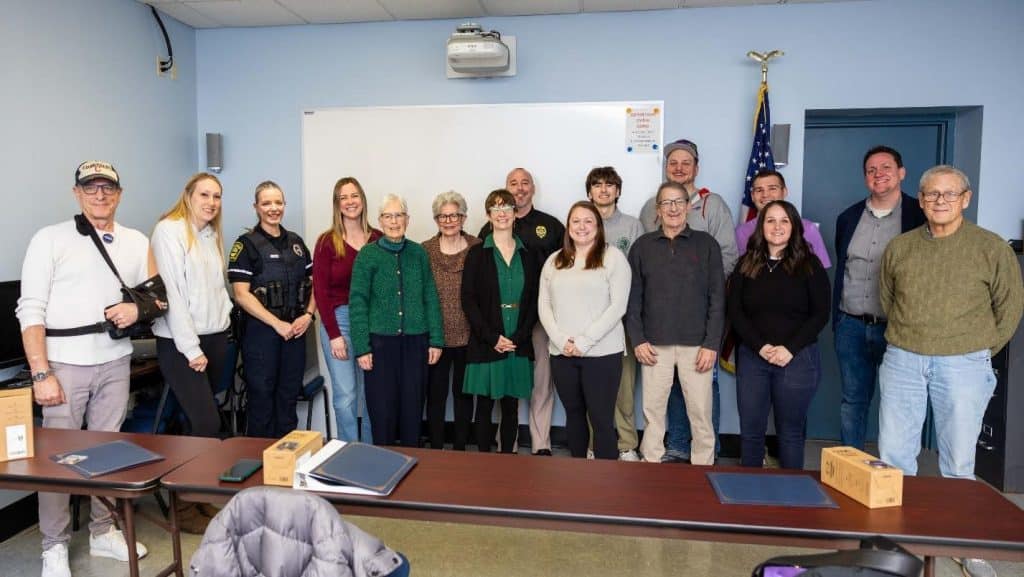
She writes about the program, one of many hundreds of CPAs in the country: “During a time when police around the country are facing increasing scrutiny and decreasing public trust, the Lakewood Police Department offers citizens a chance to connect, ask questions, and learn about life as a police officer.”
The program in Lakewood is over 25 years old. This year’s 12-week spring course graduated 14 students, introducing them to everyday police activities like traffic stops, jail visits, K-9 meet and greets, gun range and crime scene investigations. They tested tourniquets and blast suits, and shadowed officers on a 4-hour ride-along. A newly-formed alumni organization encourages graduates to maintain their network and the “spirit of their experience.”
Grass-roots organizing and local participation is not new to the US. Many are in the “citizen scientist” category. From arguably the largest, Ebirds, a global database of more than 1 billion bird observations, to the modest and dedicated local Turtle Patrols along the west coast of Florida to track sea turtles, which we wrote about in Our Towns here.
What is new and worth calling out now are some examples of how any citizen today can follow Jane Goodall’s mantra to get involved. This also a reminder to us at Our Towns to notice and celebrate “something good,” and to recognize the people taking action and inspiring others.